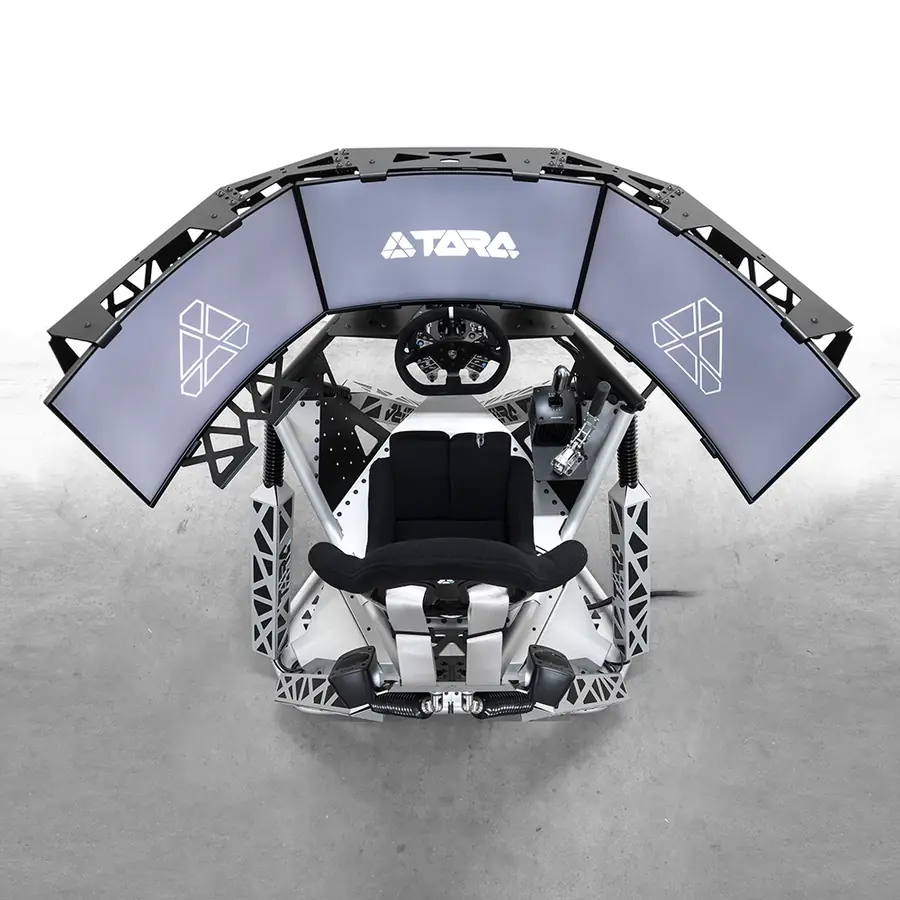
Six degrees of freedom

TORQ EVO 2 — professional 6DOF motion platform (Stewart architecture)

The motion.

All six axes of the 6DOF motion platform operate together within a single kinematic model — simultaneously reproducing the G-forces acting on the driver's body and the true geometry of the vehicle. No isolated effects. A coherent model of vehicle behavior.

The platform

Six axes.

Linear · XSurge400 mmAcceleration Braking Lift-off Trail braking
Linear · YSway350 mmCornering G-forces Lateral seat load Direction changes Cornering stability
Linear · ZHeave255 mmCompression & rebound Curbs Surface bumps Axle load variation
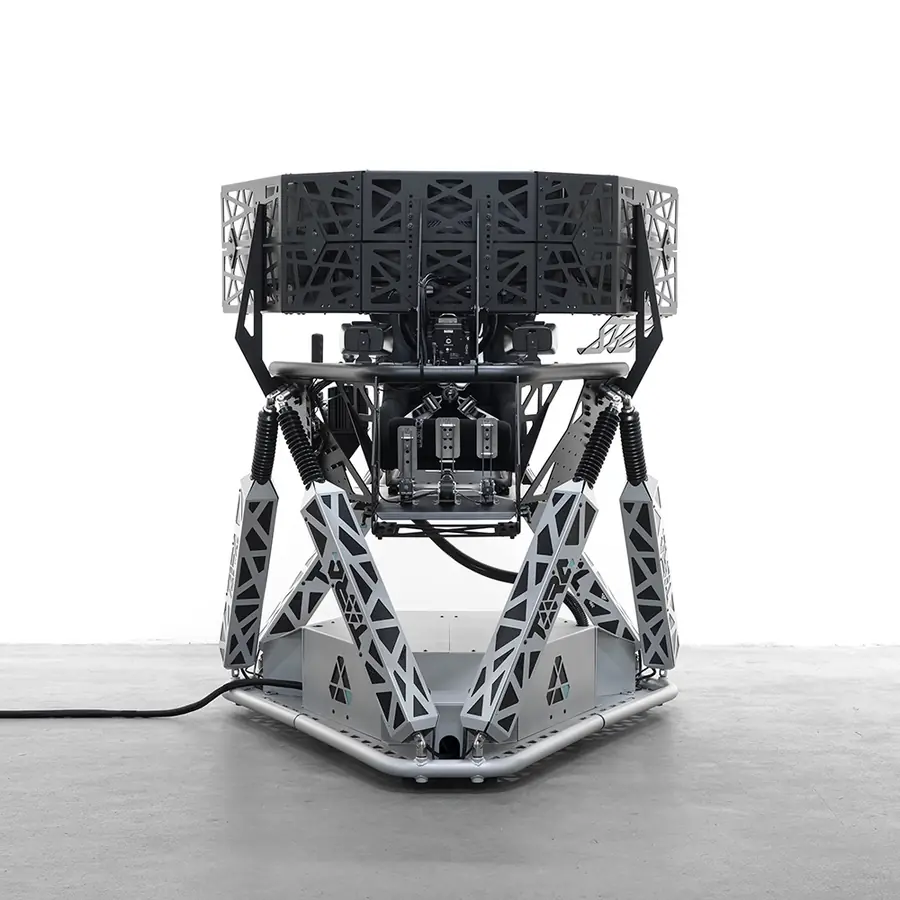
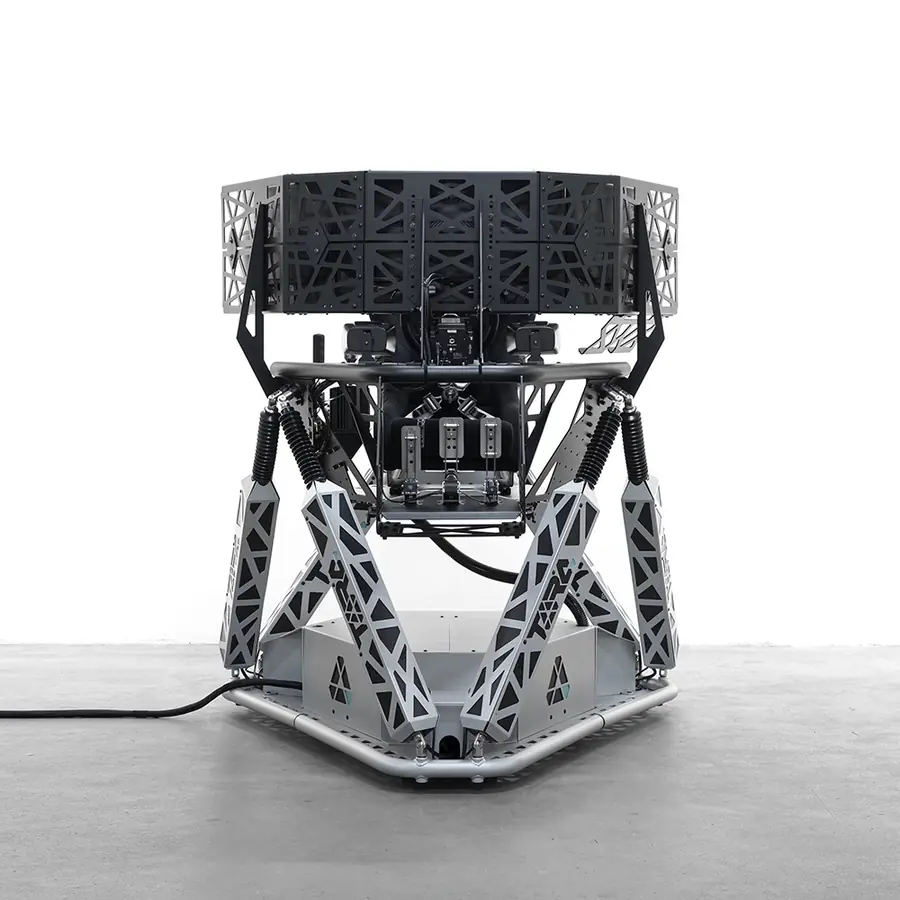
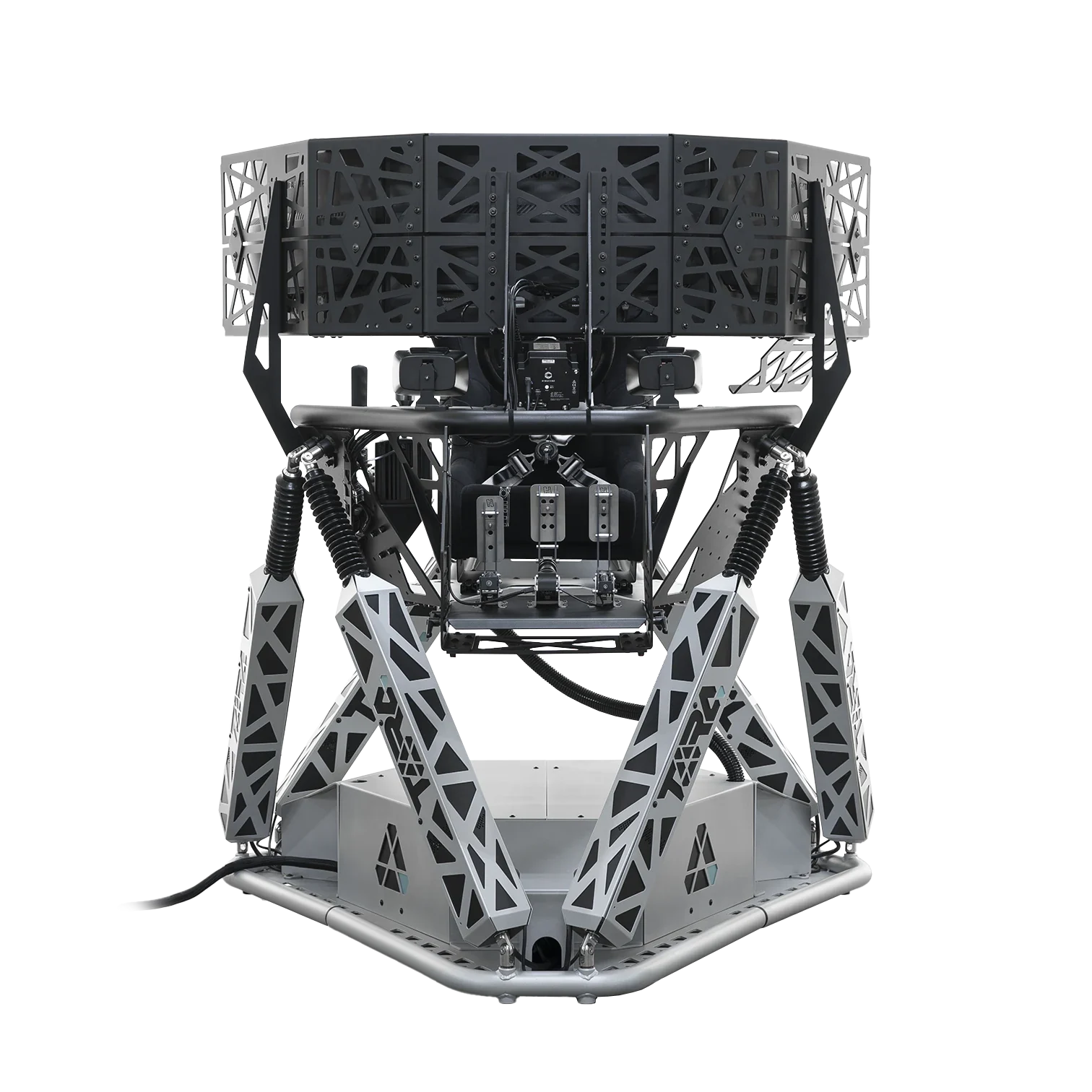
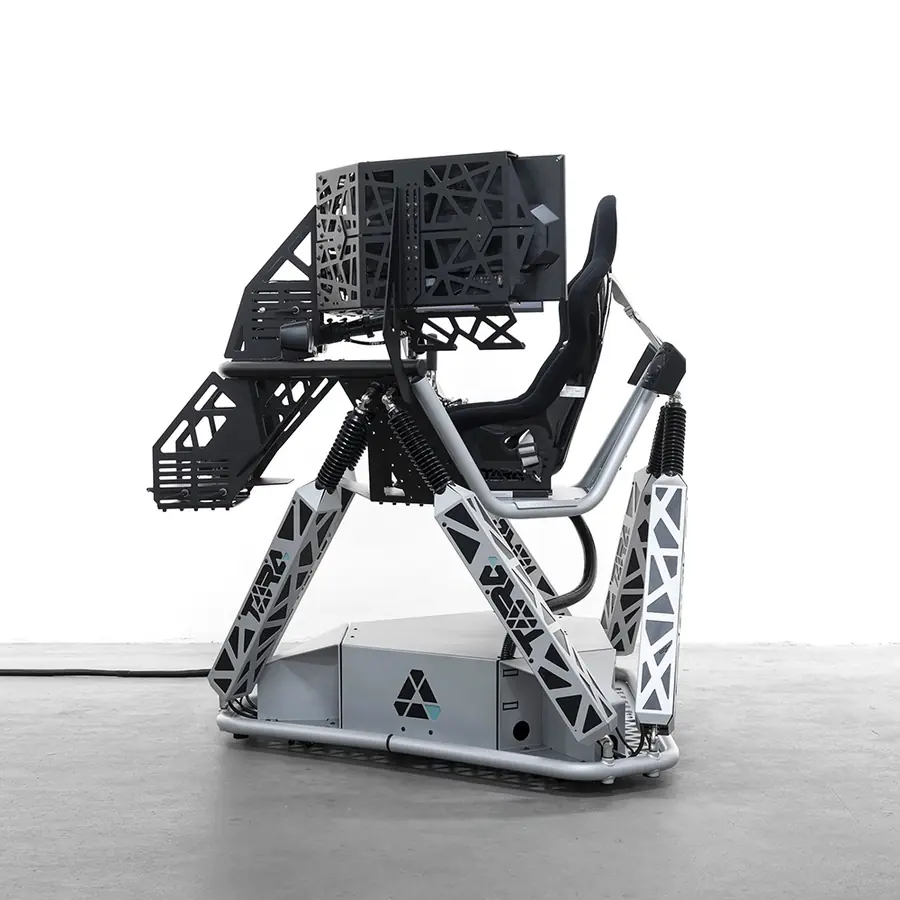
TORQ EVO 2 6DOF motion platform, front view
Rotation · LateralPitch30°Inclines & declines Body angle Suspension response Spatial orientation
Rotation · LongitudinalRoll28°Banking & camber Horizon reference Chassis balance Surface geometry
Rotation · VerticalYaw36°Oversteer Rear grip loss Corner rotation Controlled sliding

Where the game ends

True simulation begins.

TORQ EVO 2 combines physical vehicle behavior and precise vehicle movement into one simulation system.

Platform geometry, motion kinematics and control software are developed together. It was not created to entertain. It was engineered to train.

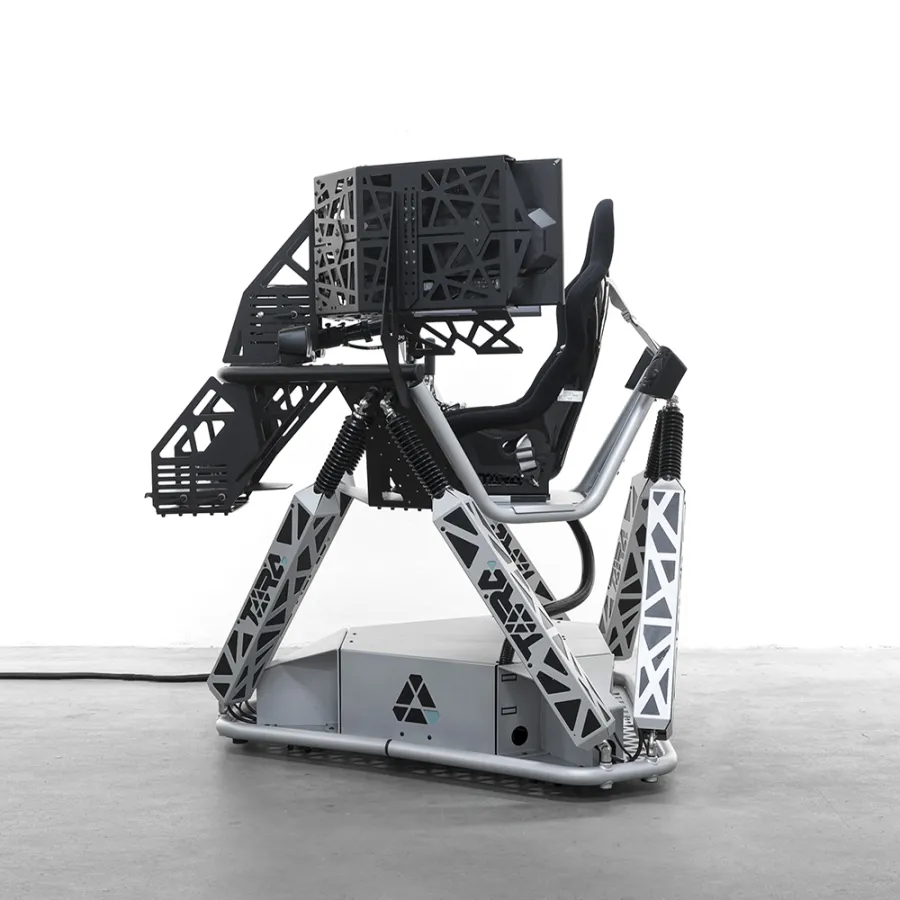
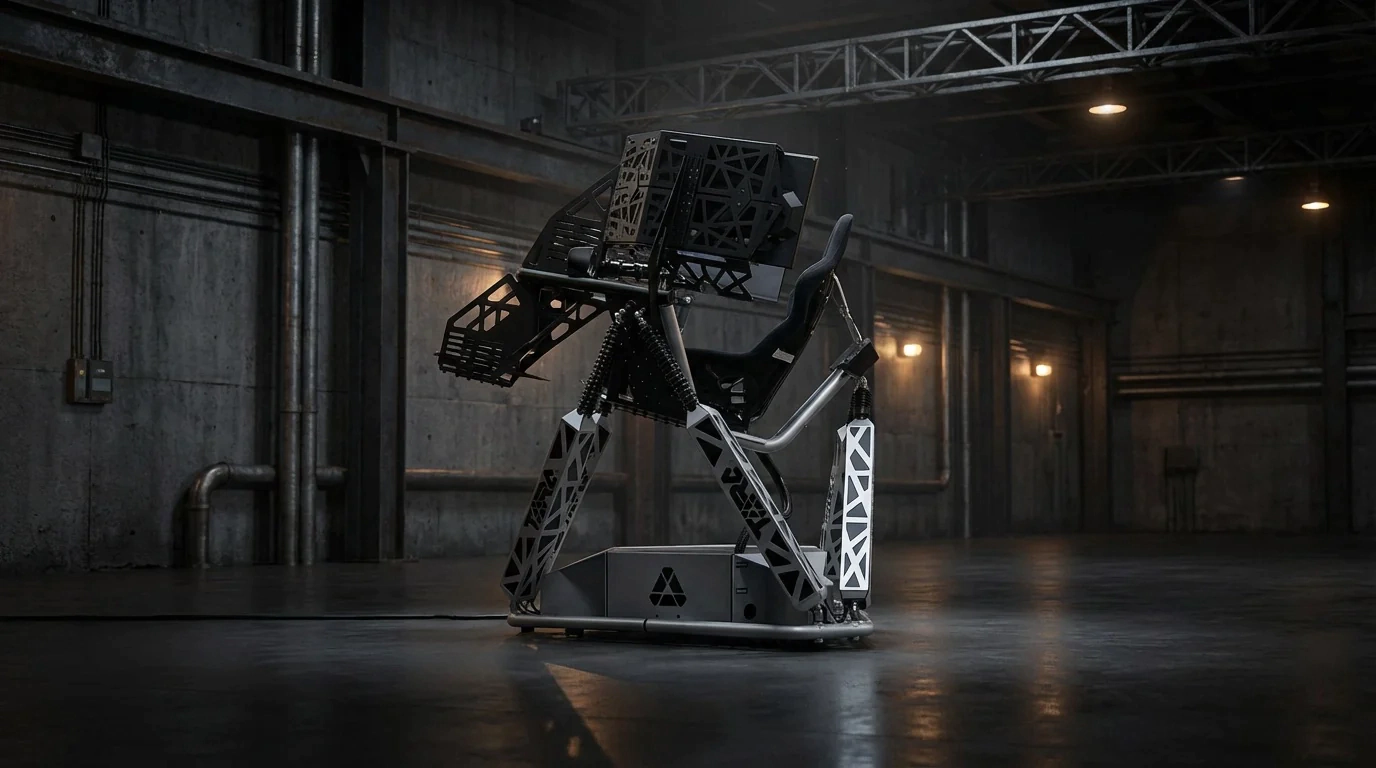
TORQ EVO 2 6DOF Stewart motion platform in an industrial hall

6DOF MOTION PLATFORM

A 10.2° track incline at Spa is reproduced as exactly 10.2° of real platform motion.

The platform reproduces real track gradients while preserving their actual values — the track inclination angle is translated directly into the platform's working angle. The simulator doesn't simply move; it recreates the relationship between track geometry, vehicle dynamics and the forces acting on the driver.

TORQ EVO 2 — full 6DOF simulator

Full simulation

Surge, sway, heave, roll, pitch and yaw — in real time, as one system.

All six axes are computed together in a single dynamic model — the platform reproduces vehicle behavior as a whole, never as isolated effects. That integration is what separates TORQ EVO 2 from simplified motion systems and makes it a professional training tool.

Why full motion matters

TORQ EVO 2 vs. simplified motion.

TORQ EVO 2
Typical 3DOF rig
Motion axes
6 — surge, sway, heave, yaw, pitch, roll
2–3 — usually pitch, roll & heave
Traction loss
36° dedicated yaw axis
None
Pitch / roll envelope
30° / 28° — real track gradients, 1:1
A few degrees — scaled cues
Surge travel
400 mm for braking & acceleration
Uses pitch to mimic acceleration & braking
Latency
4 ms · 1000 Hz control rate
Varies, often >20 ms
Application
Professional training tool
Entertainment

Performance envelope

Numbers that move you.

4ms

Super low latency.

6DOF

Six degrees of freedom.

30°

Degrees tilt

Degrees the sim can pitch (30°) and roll (28°).

36°

Degrees traction loss

Rally, drift, stadium tracks — you feel every slip.

400mm

Surge range for braking and acceleration.

200°

Field of view

Triple-screen position gives full peripheral vision.

300kg

Load

It can handle a lot.

100240V AC

50 / 60 Hz

Worldwide-friendly supply voltage.

Technical specifications

Download spec sheet

PDF · full motion-platform specification

Platform type
6DOF · Stewart architecture
Control rate
1000 Hz
Power supply
100–240 V AC · 50/60 Hz
Average power · typical game
0.26 kW
Weight
approx. 300 kg (depends on configuration)
Static footprint
180 × 165 cm
Install footprint
240 × 210 × 210 cm
Warranty
24 months

Per axis

Range and speed, per axis.

AxisExcursionMax velocity
Surge400 mm (+180 / −220)650 mm/s
Sway350 mm (±175)640 mm/s
Heave255 mm (+125 / −130)420 mm/s
Roll28° (±14)42°/s
Pitch30° (±15)47°/s
Yaw36° (±18)50°/s

See it in motion

Nürburgring, in real motion.

Skip Barber · Sonoma Raceway

TORQ EVO 2

6DOF Motion Simulator

Rotation · Lateral

Pitch

30°±15 · 47°/s

Replicates track elevation and longitudinal profile.

  • Inclines & declines
  • Body angle to surface
  • Suspension response
  • Orientation in space
Rotation · Longitudinal

Roll

28°±14 · 42°/s

Replicates body roll and suspension response to lateral terrain.

  • Banking & camber
  • Orientation to horizon
  • Chassis balance
  • Surface geometry
Linear · Longitudinal X

Surge

400 mm+180 / −220 · 650 mm/s

Replicates longitudinal weight transfer of the vehicle.

  • Acceleration
  • Braking
  • Lift-off
  • Trail braking
  • Gear shifts
Linear · Lateral Y

Sway

350 mm±175 · 640 mm/s

Replicates lateral weight transfer of the vehicle.

  • Cornering G-forces
  • Lateral seat load
  • Rapid direction changes
  • Stability in cornering
Linear · Vertical Z

Heave

255 mm+125 / −130 · 420 mm/s

Replicates vertical suspension travel and axle load.

  • Compression & rebound
  • Curbs
  • Surface irregularities
  • Axle load variation
Rotation · Vertical

Yaw

36°±18 · 50°/s

Replicates vehicle rotation around its vertical axis.

  • Oversteer
  • Rear grip loss
  • Rotation through corners
  • Controlled sliding
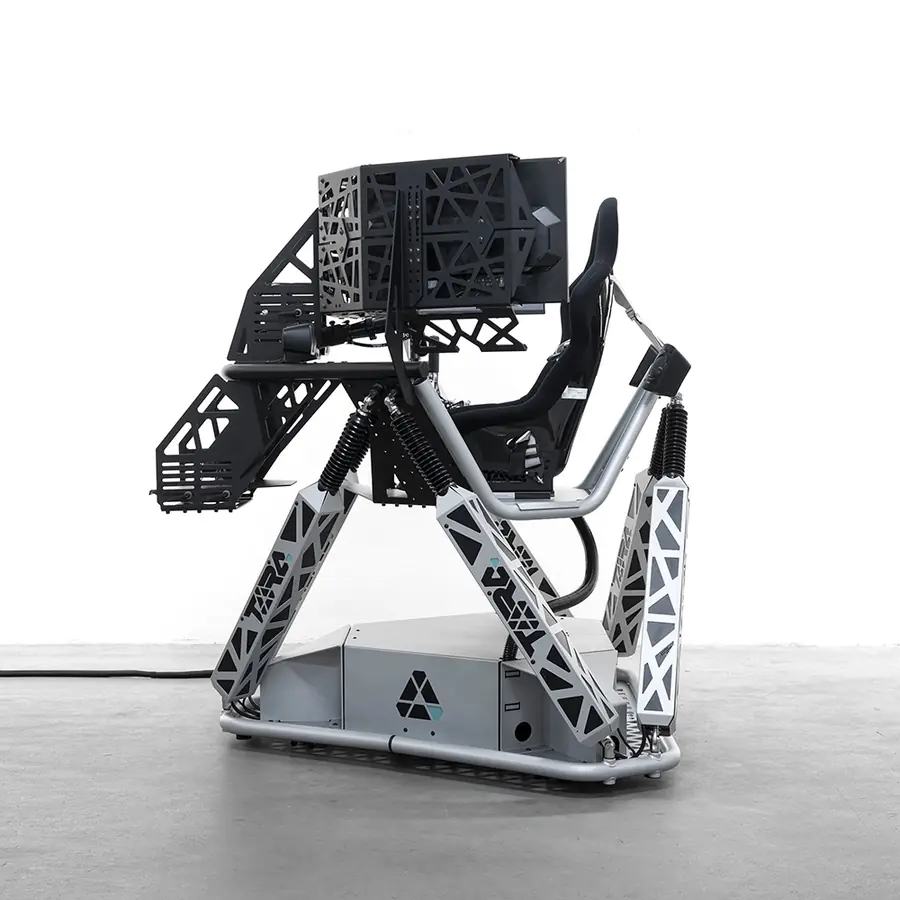
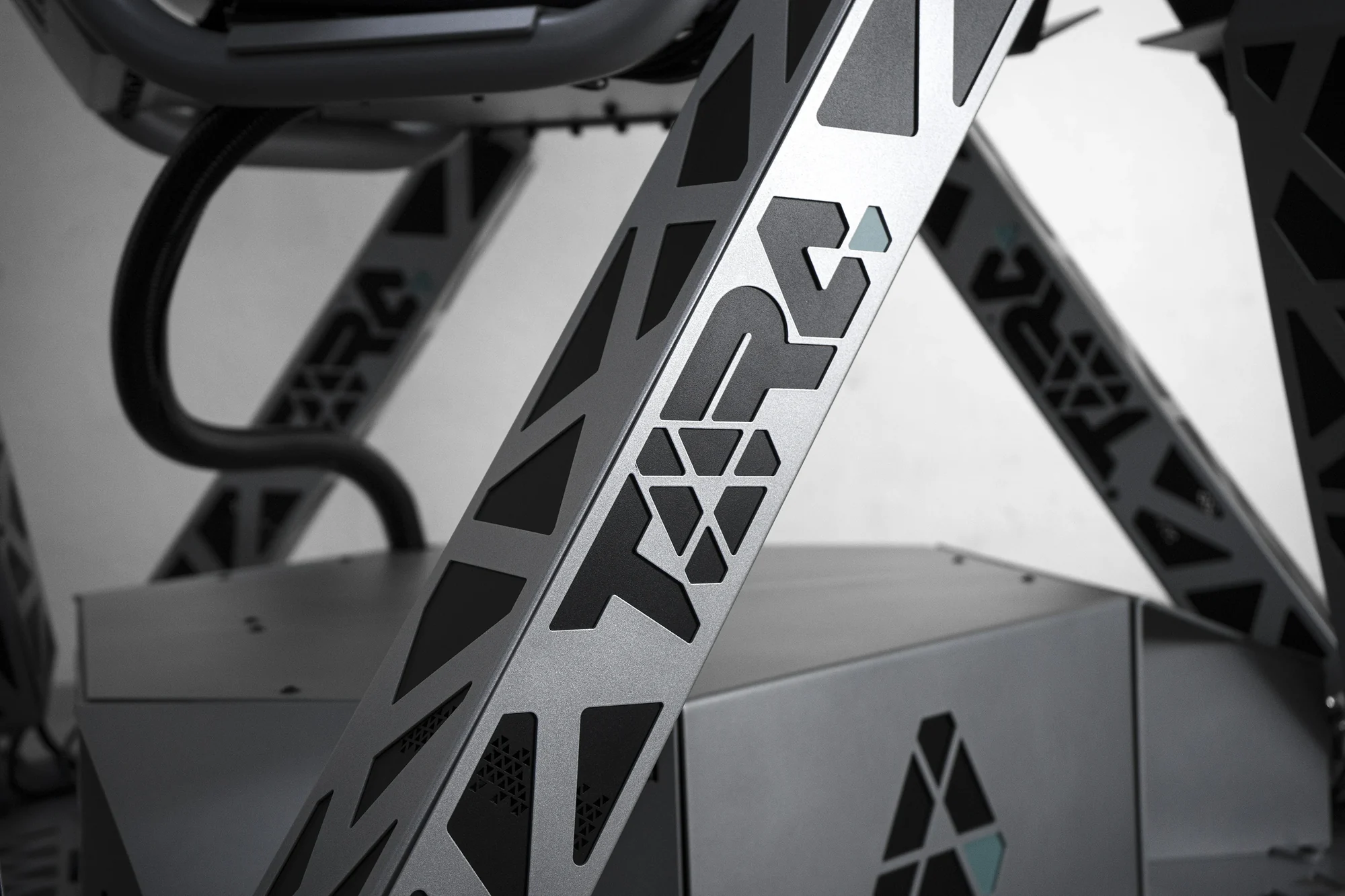
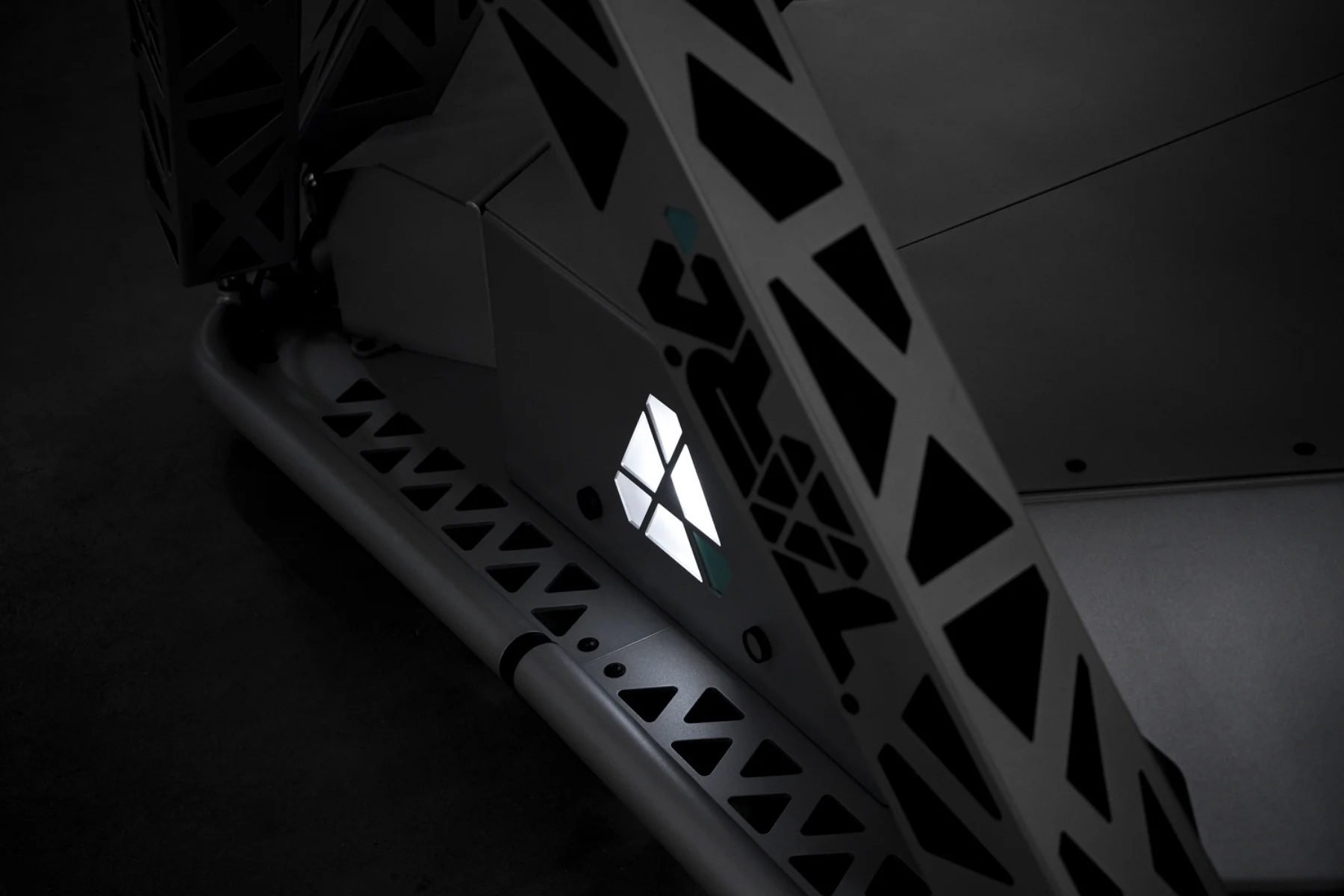
TORQ EVO 2 6DOF motion simulator — branded actuator leg detail

The cockpit

Motion needs a driver.

Explore the cockpit, ergonomics and adjustment systems designed around the person behind the wheel.